

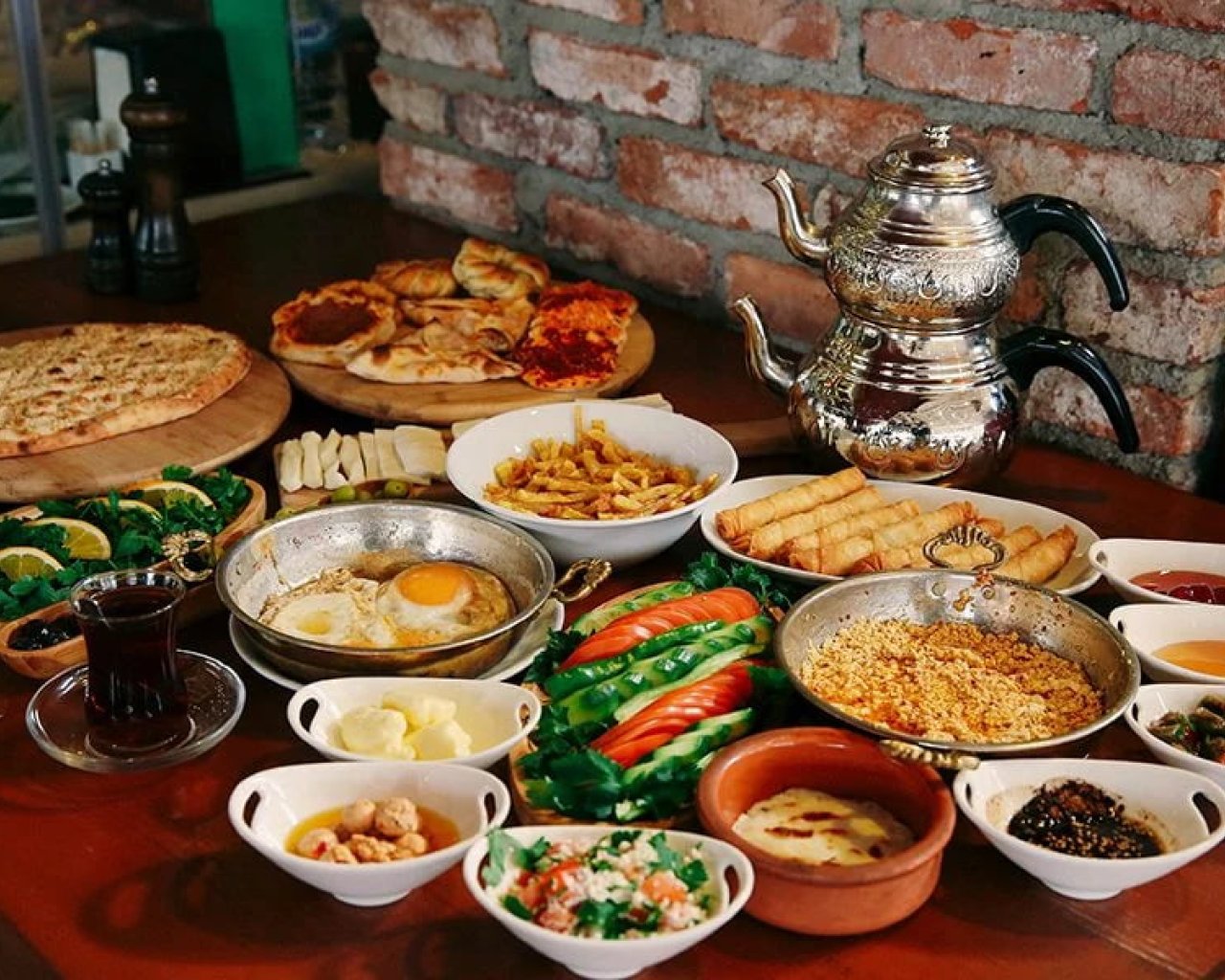
Located at the intersection of the Aegean and the Mediterranean, Fethiye is not only famous for its natural beauty but also stands out as one of Turkey’s most unique gastronomic destinations. With a wide culinary range that spans seafood, olive oil dishes, wild herbs, and street food, Fethiye cuisine represents both local culture and the essence of the Mediterranean diet in its strongest form.
The General Structure and Gastronomic Identity of Fethiye Cuisine
Fethiye cuisine is one of the rare culinary traditions where geographical diversity is directly reflected on the table. The coexistence of sea, plains, and mountains in the same region increases both product variety and culinary richness. Therefore, food culture in Fethiye is not only about “preparing meals,” but also a reflection of a lifestyle in harmony with nature.
Olive oil consumption is particularly high in the region, which highlights the culture of “Fethiye olive oil dishes.” At the same time, the abundance of fresh wild herbs throughout the year has brought the concept of “Fethiye herb dishes” into the gastronomic literature. Its coastal location also makes fresh fish and seafood an essential part of the cuisine.
The Most Famous Foods of Fethiye
One of the most frequently asked questions by visitors is: “What to eat in Fethiye?” The answer is quite broad because the local cuisine includes both everyday meals of the local people and special dishes offered to tourists.
The most famous foods of Fethiye include fresh fish varieties, olive oil dishes, Yörük (nomadic) cuisine, and herb-based dishes. Especially grilled sea bass, sea bream, and calamari served in seaside restaurants are the cornerstones of Fethiye gastronomy. In addition, traditional dishes such as testi kebab and keşkek prepared in villages are also very popular.
Fresh Fish and Seafood (The Heart of Fethiye)
When Fethiye is mentioned, seafood is undoubtedly the first thing that comes to mind. The region is extremely rich in fishing culture.
Most commonly consumed fish:
- Sea bass
- Sea bream
- Red mullet
- Grouper
- Mullet
Popular seafood:
- Grilled octopus
- Fried calamari
- Shrimp casserole
- Sea beans (samphire)
- Stuffed mussels
Special experience at the Fish Market:
The Fethiye Fish Market offers a famous “choose your fish – restaurant cooks it” concept. The process is:
- Select fresh fish
- Take it to a restaurant
- Have it grilled, steamed, or fried
This experience represents the most authentic form of gastronomy in Fethiye.
Stuffed Squash Blossoms (Aegean Delicacy)
Stuffed squash blossoms are a must-have, especially on summer mornings in Fethiye.
Preparation:
- Blossoms are picked early in the morning
- Filling: rice, onion, dill, mint
- Lightly cooked with olive oil
Features:
- Very light dish
- Suitable for hot summer weather
- Vegan-friendly
Olive Oil Artichokes (Healthy Fethiye Cuisine)
One of the most refined dishes of Fethiye cuisine.
Ingredients:
- Artichoke heart
- Olive oil
- Carrots
- Peas
- Potatoes
Features:
- Liver-friendly
- Common in diet menus
- Served cold
Wild Herb Dishes (Fethiye’s Hidden Treasure)
Fethiye’s nature is rich in edible wild herbs.
Most known herbs:
- Silybum (milk thistle)
- Mallow
- Chicory
- Fennel
- Nettle
Cooking methods:
- With olive oil
- With yogurt
- Sautéed
These herbs are especially found fresh in village markets.
Gözleme and Yörük Breakfast
The Yörük (nomadic) culture is still alive in rural areas of Fethiye.
Breakfast includes:
- Gözleme on a griddle (cheese, potato, herbs)
- Village butter
- Honey and clotted cream
- Homemade jams
- Fresh village eggs
Key feature:
- Completely natural ingredients
- Served in village settings
- A nature-integrated experience
Keşkek (Traditional Ceremony Dish)
Keşkek is one of the most important ritual dishes in Fethiye, especially served at weddings.
Preparation:
- Wheat is boiled for a long time
- Cooked with meat and pounded together
- Requires hours of preparation
Cultural significance:
- Symbolizes unity and solidarity
- Essential for weddings
Tahini Piyaz (Protein-Rich Dish)
A powerful and commonly consumed dish in Fethiye cuisine.
Ingredients:
- Boiled beans
- Tahini
- Garlic
- Lemon
Features:
- High protein content
- Can be eaten as a main dish
Yörük Meat Dishes
The strongest representation of Yörük culture.
Examples:
- Pan-fried meat (sac kavurma)
- Meat casserole
- Slow-cooked lamb (tandır)
- Wood-fired meat dishes
Famous Seafood of Fethiye
Seafood is undoubtedly the strongest pillar of Fethiye cuisine. The fishing culture in the region dates back centuries, and freshly caught fish is served daily in restaurants. “Fethiye fish restaurants” are mostly concentrated along the coastline.
Grilled sea bass is one of the most preferred dishes due to its light, natural, and delicious taste. Sea bream is another essential fish, usually grilled or baked. Fried calamari, shrimp casserole, and grilled octopus are also very popular seafood options.
These dishes are typically served with olive oil, lemon, and fresh herbs, reflecting the healthy and light structure of Mediterranean cuisine.
Olive Oil Dishes and Herb Culture in Fethiye
One of the most important characteristics of Fethiye cuisine is its olive oil-based dishes. The region’s climate is highly suitable for olive production, making olive oil the foundation of the cuisine.
Sea beans are one of the most famous olive oil dishes in Fethiye. Its slightly salty taste combined with lemon makes it especially popular in summer. Stuffed squash blossoms, stuffed grape leaves, and artichokes are also essential parts of Fethiye tables.
Wild herb dishes distinguish Fethiye cuisine from other regions. Herbs such as mallow, silybum, fennel, and nettle are prepared either sautéed or with olive oil.
Yörük Cuisine and Traditional Fethiye Foods
In rural parts of Fethiye, Yörük culture is still strongly preserved, and this is directly reflected in the cuisine. Yörük cuisine is generally meat-based and more filling.
Testi kebab is one of the most famous traditional dishes of Fethiye. Meat, vegetables, and spices are cooked slowly inside a clay pot, creating a rich aroma. Lamb tandır is another traditional dish, especially prepared for special occasions.
Keşkek is also a staple dish for weddings and festivals, symbolizing sharing and unity.
Breakfast Culture in Fethiye
In Fethiye, breakfast is not just a meal but a social experience. Village breakfasts are especially popular among tourists.
Village eggs, homemade jams, fresh goat cheese, olive varieties, and natural honey form the basis of Fethiye breakfasts. Gözleme varieties are also essential. Breakfast spots are mostly concentrated in areas such as Kayaköy and its surroundings.
Street Food in Fethiye
Fethiye is known not only for restaurant cuisine but also for its street food culture. Fish sandwiches are especially popular along the coast. Fresh fish served in crispy bread offers a simple yet delicious experience.
Stuffed mussels, baked potatoes (kumpir), and corn are also commonly found street foods in the city center. During the summer season, these street foods are consumed until late at night.
Desserts and Traditional Sweet Culture in Fethiye
Fethiye cuisine offers natural and light dessert options. Instead of heavy syrup-based desserts, milk-based and fruit-based desserts are preferred.
Pumpkin dessert is one of the most popular local sweets. Fig dessert and rice pudding are also widely consumed. A mix of honey and tahini is a natural dessert alternative often enjoyed at breakfast.
Where to Eat in Fethiye
There are many options for those who want to experience gastronomy in Fethiye. Restaurants along the coastline are the best places for seafood. The Fethiye Marina area is especially rich in fish restaurants.
For village breakfast experiences, Kayaköy and Ovacık are ideal destinations. Those who want to try local dishes can prefer traditional “esnaf lokantası” (local diners) in the city center.
Cultural Importance of Fethiye Cuisine
Fethiye’s local dishes are not just a form of nutrition but also a cultural heritage. Yörük traditions, Mediterranean lifestyle, and Aegean naturalness combine to create a unique gastronomic identity.
Therefore, Fethiye cuisine is considered not only a tourist attraction but also one of the most important local culinary cultures in Turkey.
